
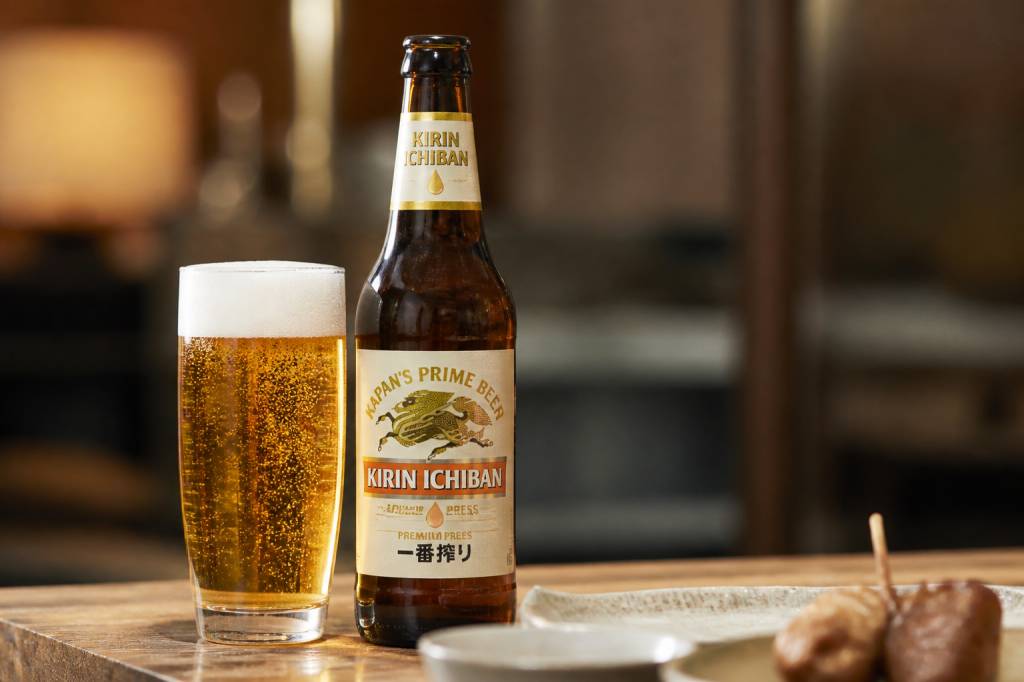
If you’ve ever picked up a bottle of Kirin Ichiban and wondered how strong it really is, the short answer is simple: Kirin Ichiban is typically 5% ABV. That puts it right in the standard range for most classic beers, making it easy to enjoy on its own or alongside food without feeling like you’ve stepped into heavy territory.
But the alcohol content is only part of the story. What makes Kirin Ichiban interesting is how that 5% lands in the glass: clean, crisp, and very easy to drink. If you’re used to Japanese lagers, that won’t surprise you. If you’re more familiar with richer European beers or hop-forward craft styles, it might. And that’s exactly why it’s worth taking a closer look.
What is Kirin Ichiban?
Kirin Ichiban is a Japanese lager produced by Kirin Brewery Company. It’s one of the brand’s most recognizable beers and is widely known for its smooth profile, pale golden color, and a finish that stays clean rather than heavy. The name “Ichiban” means “number one” or “first,” which refers to the brewing method used for the beer.
In practical terms, it’s brewed using the first press of the wort, a process meant to capture a cleaner, more refined flavor. If you’ve spent time behind a bar, you know that details like this matter. They don’t just sound good on a label; they shape how the beer tastes, smells, and pairs with food.
For drinkers, that means Kirin Ichiban sits in a very friendly zone: flavorful enough to be interesting, light enough to drink casually, and balanced enough to work with a wide range of meals. That balance is one of the reasons it shows up so often in restaurants and at home dinners.
Alcohol content: the number that matters most
Kirin Ichiban is generally 5% alcohol by volume (ABV). That’s the standard figure you’ll see on most bottles and cans in many markets. Depending on where it’s sold, there can be slight labeling differences, but 5% ABV is the baseline to expect.
What does that mean in real life?
- It’s stronger than non-alcoholic beer, obviously, but not especially strong compared with many regular beers.
- It’s similar to popular lagers and pilsners you’ll find in bars and supermarkets.
- It’s easy to drink, which is both a strength and something to pay attention to if you’re not pacing yourself.
If you’re comparing beer styles, 5% ABV is a comfortable middle ground. A light lager might land closer to 4%, while some IPAs, imperial stouts, or Belgian ales can push well above 7% or 8%. Kirin Ichiban stays on the approachable side, which matches its overall style.
How strong does it feel?
ABV tells you the alcohol percentage, but it doesn’t always tell you how a beer will feel. A beer with 5% ABV can seem lighter or heavier depending on carbonation, body, sweetness, and bitterness.
Kirin Ichiban tends to feel lighter than its ABV might suggest. Why? Because the beer is clean, crisp, and not overly malty. It doesn’t linger too long on the palate, and that makes it easy to take another sip without thinking about it too much. That’s the kind of beer that can disappear faster than expected on a warm evening. Classic bartender problem: “I only had two.” Sure. Right.
In other words, 5% ABV is the technical answer, but the drinking experience is what makes Kirin Ichiban feel like a session-friendly lager rather than something bold or boozy.
How Kirin Ichiban compares to other beers
If you want to place Kirin Ichiban in context, here’s a useful comparison:
- Typical American light beers: often around 4% to 4.5% ABV
- Standard lagers and pilsners: usually around 4.5% to 5.5% ABV
- Craft IPAs: often 6% to 7.5% ABV, sometimes more
- Strong ales and stouts: can range from 7% to 12% ABV or higher
So Kirin Ichiban sits neatly in the standard beer lane. It’s not trying to shock anyone. That’s actually part of its appeal. You can serve it at dinner, at a barbecue, or with a plate of fried food, and it won’t overpower the meal.
If you’re the kind of drinker who likes crisp lagers with a controlled finish, this is one of those beers that does exactly what it says on the label. No fireworks, no drama. Just good structure and consistency.
Why the brewing method matters
Many people focus on alcohol content and stop there, but with Kirin Ichiban, the brewing process is worth a mention. The beer is made using the first press of the wort, which is designed to produce a purer flavor. In simple terms, it’s about selecting the best part of the brew before anything gets muddy.
This matters because the alcohol content isn’t just floating in a vacuum. A 5% beer can taste thin, sweet, sharp, or smooth depending on how it’s built. Kirin Ichiban has enough body to feel like a proper beer, but it stays restrained enough to remain refreshing. That’s the kind of balance that takes skill, not luck.
As someone who has spent years serving drinks to people with very different preferences, I can tell you this: a well-made beer often wins not because it’s loud, but because it’s reliable. Kirin Ichiban is built for that kind of consistency.
How to drink it for the best experience
If you want to enjoy Kirin Ichiban properly, don’t overthink it. But do give it a little respect. Temperature, glassware, and food pairing all make a difference.
Here’s the practical approach:
- Serve it cold, but not icy: very cold beer can flatten aroma and flavor.
- Use a clean glass: it helps preserve the head and releases the aroma.
- Pour gently: you want a light foam cap, not a messy overflow.
- Drink it fresh: this style is best when the crisp character is intact.
And yes, there’s a difference between “cold” and “too cold.” If you freeze the flavor out of the beer, you’re missing the point. Kirin Ichiban works best when it’s refreshing but still has enough character to show its subtle malt and grain notes.
Best food pairings
One of the reasons Kirin Ichiban is so popular is that it plays well with food. That 5% ABV level helps it stay versatile. It can cut through fried foods, refresh the palate after salty dishes, and keep up with umami-rich flavors without getting lost.
Good pairings include:
- Sushi and sashimi: clean flavors meet clean beer
- Tempura: the carbonation helps lift the oil
- Grilled chicken: simple, savory, and balanced
- Yakitori: especially with soy-based or slightly sweet sauces
- Burgers and fries: classic comfort-food pairing
- Spicy dishes: it can cool the palate without fighting the heat
If you’re planning a casual dinner or an easy entertaining setup, Kirin Ichiban fits right in. You don’t need to build a menu around it; it naturally supports the kind of dishes people already love to eat with beer.
Is Kirin Ichiban a strong beer?
That depends on what you mean by strong. In the everyday sense, no, not really. At 5% ABV, it’s firmly in the mainstream range. It’s stronger than a light beer, but far from high-ABV territory.
If you’re asking whether it drinks strongly, the answer is also no. The flavor is smooth and restrained, so the alcohol doesn’t jump out at you. That can be a good thing, especially if you want a beer that remains easygoing over a meal or during a long social evening.
That said, “easy to drink” is not the same thing as “safe to keep pouring without paying attention.” Because the taste is so clean, it’s easy to underestimate how much you’ve had. That’s true for a lot of crisp lagers, not just this one. The beer doesn’t slap you in the face; it sneaks up politely.
Common mistakes people make with beers like this
There are a few easy ways to miss what Kirin Ichiban is offering. None of them are dramatic, but they can affect your experience.
- Serving it too cold: the flavor gets muted.
- Drinking it from the bottle only: you lose aroma and visual appeal.
- Pairing it with overly heavy food: it can get buried under rich sauces.
- Expecting big hop intensity: this is a lager, not a hop bomb.
- Ignoring freshness: subtle beers suffer when they’re stale.
The easiest fix? Treat it like a precision beer. It may look casual, but a well-made lager rewards attention. That’s true in bars, in restaurants, and at home on a Tuesday night when dinner suddenly needs a little upgrade.
When to choose Kirin Ichiban
Kirin Ichiban makes sense when you want something that is:
- clean and refreshing
- moderate in alcohol
- easy to pair with food
- familiar without being boring
- good for casual entertaining
It’s a smart choice for people who want beer without too much bitterness, sweetness, or heaviness. If you’re hosting a mixed group, that matters. Not everyone wants a hazy IPA or a stout with dessert-like weight. Sometimes the best move is to pour something balanced and let the conversation do the rest.
That’s where Kirin Ichiban shines. It’s not trying to be the loudest beer at the table. It’s trying to be the one that disappears naturally because people actually enjoy drinking it.
What to remember about the alcohol content
Here’s the practical takeaway: Kirin Ichiban is usually 5% ABV, which places it in the standard beer range. It’s crisp, light on its feet, and designed to be easy to enjoy. The alcohol content is moderate, but the beer drinks even lighter thanks to its clean profile and balanced finish.
If you’re choosing it for a meal, a casual gathering, or just a straightforward beer moment, you’re getting a reliable option that knows its lane and stays in it. And honestly, that’s often the mark of a good beer. It doesn’t need to be complicated to be worth your time.
So next time you reach for a Kirin Ichiban, you’ll know what you’re getting: a Japanese lager with a 5% ABV, a crisp structure, and the kind of drinkability that makes it a regular on plenty of tables for good reason.