
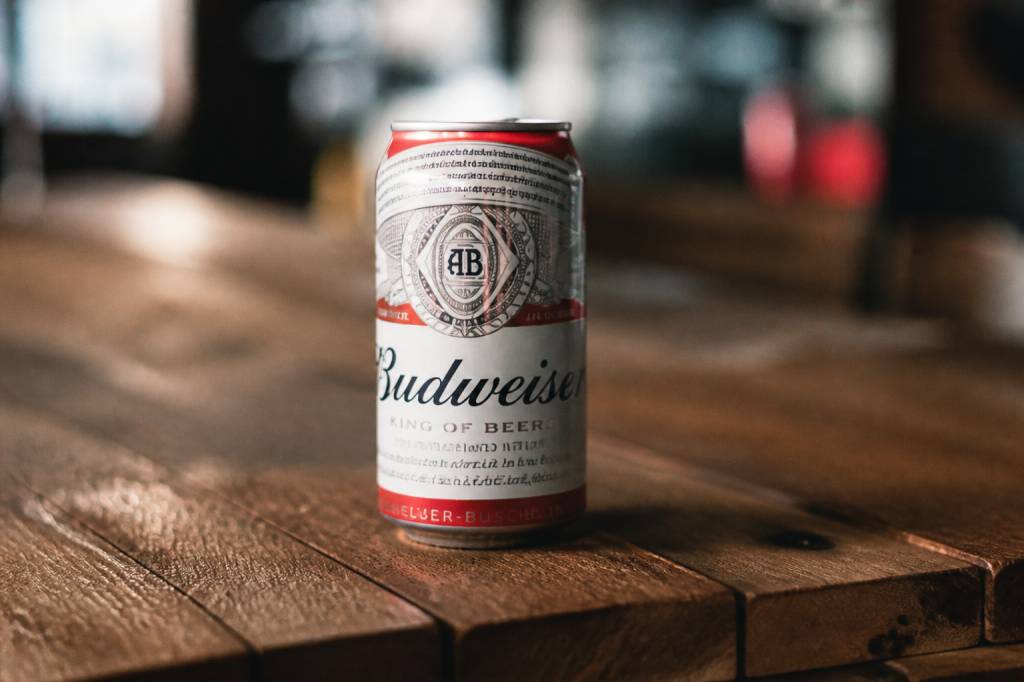
If you’ve ever cracked open a cold Budweiser and wondered, “How much damage am I doing here?”, you’re not alone. It’s a fair question, especially if you’re trying to keep an eye on calories without turning every drink into a math problem. The short answer: a standard 12 oz can of Budweiser usually has about 145 calories.
That number gives you a useful benchmark, but there’s more going on than a single figure on a label. Beer calories come from alcohol, carbohydrates, serving size, and even how fast you pour. So if you want the real picture, let’s break it down the same way I’d explain it to someone at the bar: clear, practical, no nonsense.
How many calories are in a can of Budweiser?
A standard 12 oz can of Budweiser contains around 145 calories. That’s based on the classic American lager version most people mean when they say “Budweiser.”
Here’s the basic profile you should keep in mind:
For a mainstream lager, that’s fairly standard. It’s not a “light” beer, but it’s also not a heavy IPA or a high-ABV stout that sneaks up on you with a bigger calorie load.
One thing I always tell people: don’t think of beer calories as a mystery. If the alcohol percentage goes up, the calories usually go up too. That’s the first rule of the glass.
Where do beer calories actually come from?
Most people assume beer calories come only from carbs, but that’s only part of the story. In beer, calories mainly come from two sources:
Budweiser is brewed to be crisp and easy-drinking, which means it has a moderate amount of carbohydrates and a relatively moderate ABV. That combination is what lands it around 145 calories per can.
If you’ve ever had a beer that tastes richer, sweeter, or more full-bodied, there’s a good chance it carries more calories. Not always, but often. In the bar world, flavor and calorie count frequently move in the same direction.
Budweiser calories compared with other beers
If you’re trying to decide whether Budweiser fits your routine, it helps to compare it with other common beers. Here’s the practical view:
So Budweiser sits in the middle: not as light as the “light” beers, but far from the heavier styles. If you like the flavor of a classic lager and don’t want something watery, Budweiser is a pretty reasonable middle ground.
In service, I’ve seen a lot of people make the same mistake: they order a “small beer” mentally, but the bottle or can they’re drinking is a full-strength lager. A 145-calorie can is manageable. The problem is usually not one can. It’s the third one that doesn’t look like much until later.
Does can size matter?
Yes, absolutely. Calories scale with serving size. A 12 oz can is the standard reference point, but not every Budweiser is sold in that exact format.
If you drink more than 12 oz, your calories rise proportionally. For example:
That’s where people get caught off guard. A tall can can feel like “just one beer,” but from a calorie standpoint, it’s closer to one and a third regular beers. Same with draft pours. A pint is 16 oz, not 12, and that extra volume matters.
So if you’re tracking intake, the first thing to check is not the brand alone, but the actual ounces in the glass or can.
What about carbs and sugar?
Budweiser has around 10.6 grams of carbohydrates per 12 oz can. It’s not a sugary drink in the way soda is, but those carbs still contribute to the calorie count.
Important detail: beer usually doesn’t contain a huge amount of sugar by the time it reaches the can. Most of the sugars from the brewing process are fermented into alcohol. What remains is a combination of residual carbs and the calories from alcohol itself.
If you’re watching carbs for dietary reasons, that number is worth knowing. It’s not extreme, but it’s not zero either. And if you have several beers in a night, those carbs stack up fast.
How Budweiser fits into a balanced night out
Let’s be realistic. Most people are not sipping one beer in a vacuum while eating steamed broccoli and calling it an evening. Budweiser usually shows up with wings, burgers, pizza, nachos, barbecue, or a backyard grill that’s already working overtime.
That’s where the full picture matters. A single can at 145 calories is one thing. Add the food, the second beer, maybe a cocktail before dinner, and suddenly the evening is much heavier than expected.
If you want to keep things in check without feeling deprived, here are a few straightforward moves:
Simple habits make a bigger difference than people think. That’s true behind the bar and at home.
Is Budweiser a “diet-friendly” beer?
That depends on what you mean by diet-friendly. If you want the lowest-calorie beer possible, Budweiser is not at the very bottom of the list. If you want a classic lager that won’t blow up your calorie budget, it’s absolutely workable.
Think of it this way: Budweiser is a moderate-calorie beer. It’s not a cheat code, and it’s not a disaster either. For many drinkers, that balance is exactly the point. You get a familiar beer flavor, a clean finish, and a calorie count that’s reasonable if you’re paying attention.
From a bar perspective, that makes Budweiser a practical choice. It’s easy to pair with food, easy to pace, and not so heavy that you feel it sitting in your stomach after one can. That said, if you’re in a strict calorie-cutting phase, even moderate beers need to be counted.
How to estimate beer calories without a label
Not every bar menu gives you the nutrition facts, and not every can is sitting in front of you with a calculator-friendly label. So here’s the quick method I use to estimate:
For example, if you see a 16 oz draft Budweiser, don’t mentally file it as “one beer.” It’s more like 1.33 standard cans. That puts it in the neighborhood of 193 calories.
This is one of those small details that separates casual guessing from actual awareness. If your goal is to drink smart, you need to count the glass, not just the brand.
Common mistakes people make with beer calories
In my years behind the bar, I’ve seen a few repeat offenders. The good news? They’re easy to fix once you know what to watch for.
The biggest trap is mental math. People often hear “beer” and think in broad strokes. But calories are specific. If you’re being intentional, specificity is your friend.
When a Budweiser makes sense
Budweiser makes sense when you want a familiar, easy-drinking lager that’s not overly heavy. It works well with casual food, backyard meals, and low-key drinking occasions where you don’t want a super bitter or intense beer.
It also makes sense if you’re trying to keep your intake moderate without switching to something that tastes like watered-down compromise. That matters. If you don’t enjoy what you’re drinking, you’re more likely to overdrink or keep hunting for the “real” thing.
From a practical standpoint, Budweiser can fit into a lot of lifestyles if the rest of the day is balanced. The key is not pretending a can is invisible. It’s a real calorie source, but a manageable one when you treat it that way.
Quick takeaways to remember
If you only remember a few things, make them these:
Budweiser is one of those beers that lands in the middle of the road: classic, familiar, and straightforward. If you like it, you don’t need to overthink it. Just know what’s in the can, count it honestly, and keep the rest of the night in perspective.
That’s the real trick with beer calories. Not perfection. Just awareness.