


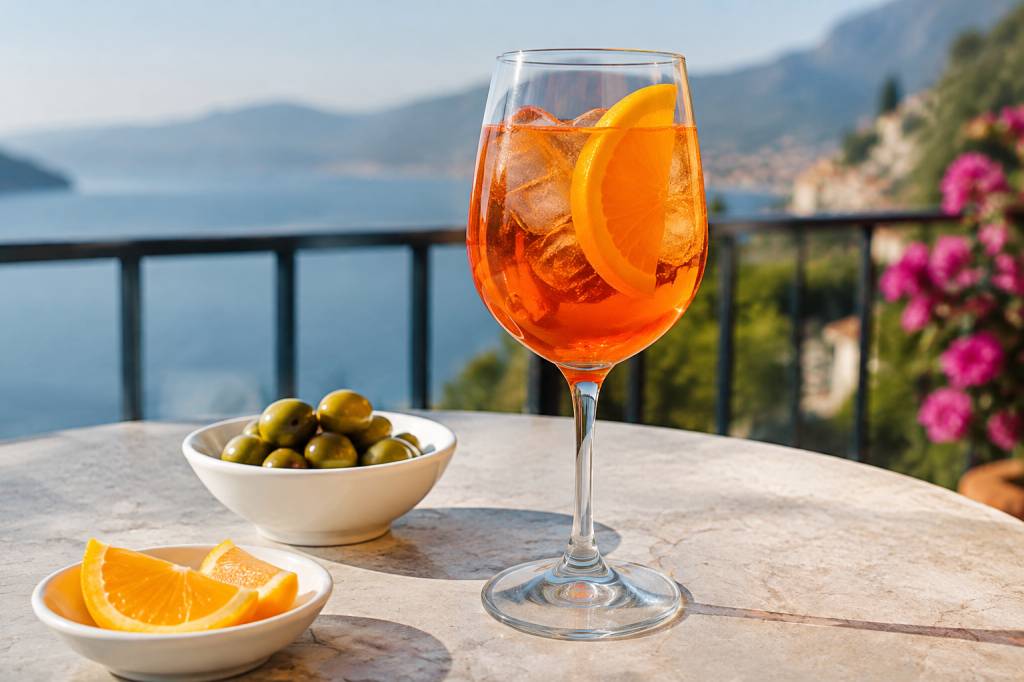
The Aperol Spritz looks simple: a bright orange drink, plenty of ice, a splash of soda, and a wine glass that seems permanently ready for a sunny afternoon. But simple does not mean careless. The right proportions make the difference between a crisp, bittersweet aperitivo and a flat glass of orange-colored fizz.
For the classic version, remember the easy formula: 3 parts Prosecco, 2 parts Aperol, and 1 part soda water. In practical terms, that usually means 90 ml Prosecco, 60 ml Aperol, and 30 ml soda water. Add ice, garnish with an orange slice, and serve immediately.
That is the short answer. Now let’s look at what each ingredient does, how to build the drink properly, and which small details separate a refreshing Spritz from a disappointing one.
The classic Aperol Spritz specs
The modern Aperol Spritz is generally built using the famous 3-2-1 ratio:
- 3 parts Prosecco — 90 ml or 3 oz
- 2 parts Aperol — 60 ml or 2 oz
- 1 part soda water — 30 ml or 1 oz
- Plenty of ice
- One fresh orange slice
For a bar-style serving, use a large wine glass or a stemmed Spritz glass. The generous bowl gives the drink room for ice and helps preserve the aroma of the bitter orange and herbs in Aperol.
The 3-2-1 recipe is the most widely recognized modern specification, but you will see small variations. Some bartenders use a little less soda for a richer drink. Others add a touch more Prosecco to keep the cocktail lighter. These adjustments are perfectly reasonable, as long as the balance remains fresh, bittersweet, and sparkling.
What is Aperol?
Aperol is an Italian aperitivo created in Padua in 1919 by brothers Luigi and Silvio Barbieri. It has a vivid orange color and a relatively low alcohol level of 11% ABV, which helps explain why the Spritz became such a natural choice for early evening drinking.
Its flavor sits between bitter and sweet. You will notice orange, herbs, rhubarb, and a gentle earthy bitterness. Aperol is softer and less intense than Campari, which makes it approachable for people who are not ready for a strongly bitter cocktail.
That lower bitterness is important in the Spritz. Prosecco adds fruit and bubbles, while soda stretches the drink and keeps it refreshing. Aperol provides the structure. Remove any one of those elements and the cocktail loses its identity.
Why the 3-2-1 ratio works
Every ingredient has a specific job.
- Prosecco provides the main volume, acidity, fruit, and carbonation.
- Aperol contributes color, bitterness, sweetness, and botanical depth.
- Soda water lightens the drink and adds a clean, dry finish.
- Ice chills the cocktail and provides a small amount of dilution.
- Orange reinforces the citrus notes and adds a fresh aroma.
The result should taste lively rather than heavy. You should get a gentle bitterness at the beginning, bright citrus and wine in the middle, and a clean, lightly dry finish. If the drink tastes too sweet, it may need more soda or a drier Prosecco. If it tastes too bitter, the Aperol may be dominating the ratio or the drink may not be cold enough.
In my years behind the bar, one common mistake was treating the soda as an afterthought. It is not there only to fill the glass. That small amount helps open the drink and keeps the finish from feeling syrupy.
The best ingredients for an Aperol Spritz
Choose a dry Prosecco
Look for a chilled Prosecco labeled Brut or Extra Dry. This can be slightly confusing because “Extra Dry” is actually sweeter than “Brut” in sparkling wine terminology. Either can work, but Brut will give you a crisper, drier Spritz.
You do not need an expensive bottle. The cocktail includes Aperol, soda, ice, and orange, so a reliable mid-range Prosecco is more than enough. Avoid anything flat, overly sweet, or strongly flavored. A clean, fruity sparkling wine is exactly what you need.
Use fresh, cold soda water
Soda water should be cold and properly carbonated. Warm or flat soda will make the drink feel dull. Keep the bottle or can refrigerated until you are ready to pour it.
Plain sparkling water works, but club soda is often a good choice because its mineral content adds a little texture. Avoid flavored sparkling water unless you are deliberately creating a variation. Lemon or lime flavors can compete with Aperol’s orange profile.
Use a fresh orange
A large orange slice is the classic garnish. Add it directly to the glass, rather than simply placing a thin peel on the rim. The fruit adds aroma and a small amount of citrus flavor as the drink sits.
Choose an orange with a clean, firm peel. If the fruit is waxed or has been handled heavily, rinse it before slicing. A garnish should make the drink more inviting, not raise questions about where it has been.
How to make an Aperol Spritz step by step
The build is straightforward, but the order matters.
- Fill a large wine glass with plenty of fresh ice.
- Pour in 90 ml Prosecco.
- Add 60 ml Aperol.
- Top with 30 ml soda water.
- Give the drink one gentle lift with a bar spoon.
- Add a fresh orange slice.
- Serve immediately.
Do not shake an Aperol Spritz. Shaking sparkling wine is a reliable way to create a sticky kitchen, a flat drink, and a few nervous seconds. The cocktail is built directly in the glass, with minimal agitation.
Pouring the Prosecco first helps preserve its bubbles and gives the Aperol room to blend naturally through the drink. Adding the soda last keeps the carbonation lively. A short, gentle stir is enough; aggressive stirring will drive the bubbles out before the first sip.
Ice matters more than most people think
Use plenty of ice. A Spritz should be cold from the first sip, and a full glass of ice melts more slowly than a glass with only a few cubes.
Large, solid cubes are ideal because they chill efficiently while limiting dilution. If you are using standard small ice cubes, fill the glass completely and serve the drink right away. Half-filling the glass creates a warmer cocktail and causes the remaining ice to melt faster.
There is no need to pre-dilute the drink. The ice will provide enough dilution during service, especially because the cocktail is meant to be enjoyed fairly quickly.
The right glass for the job
A large wine glass is the traditional choice, but a dedicated Spritz glass works just as well. The important features are capacity and shape. You need enough space for the liquid, ice, carbonation, and garnish without the glass becoming awkward to handle.
A rocks glass can work for a smaller serving, but it changes the character of the drink. The smaller bowl gives you less room for ice and makes the cocktail feel denser. For the classic aperitivo experience, use a large stemmed glass.
Holding the stem instead of the bowl also helps keep the drink cold. It is a small detail, but warm hands and chilled cocktails are not the best team.
Common Aperol Spritz mistakes
Using too much Aperol
A generous pour may look impressive, but too much Aperol can make the drink sweet, heavy, and overly bitter. Measure it, especially when you are making several drinks. The 60 ml specification gives the cocktail enough flavor without allowing the aperitivo to take over.
Adding too little ice
A few cubes floating at the top will not chill the drink properly. Fill the glass to the brim. This is one of the easiest improvements you can make.
Using flat Prosecco
Once a bottle has been open for too long, the wine may still taste acceptable on its own but fail in a Spritz. Fresh carbonation is part of the cocktail’s structure. Use a sparkling wine stopper and refrigerate opened bottles, but remember that even a well-stoppered bottle will lose energy over time.
Over-stirring
The goal is to combine the ingredients, not remove the bubbles. One or two gentle turns are enough.
Skipping the garnish
The orange slice is not just decoration. The aroma reaches your nose before the drink reaches your palate, making the cocktail taste more citrusy and complete. A Spritz without orange can feel strangely unfinished.
How to adjust the flavor
The classic ratio is a starting point, not a rule carved into an Italian marble bar. If you prefer a lighter drink, try:
- 90 ml Prosecco
- 45 ml Aperol
- 30 ml soda water
This version is less bitter and slightly more sparkling. It works well for guests who are new to aperitivo-style drinks.
For a more pronounced Aperol profile, keep the classic 90-60-30 ratio but use a very dry Brut Prosecco. The drier wine will make the bitter orange flavor stand out without requiring more Aperol.
If your drink tastes too sweet, check three things before changing the recipe: Is the Prosecco sweet? Is the glass cold? Did you use enough soda? Temperature and carbonation affect how sweetness is perceived. A properly chilled cocktail often tastes much more balanced.
Making Aperol Spritzes for a group
The Spritz is excellent for entertaining because it is quick to build and does not require a shaker. For six drinks, prepare:
- 540 ml Prosecco
- 360 ml Aperol
- 180 ml soda water
- Six orange slices
Do not combine everything in a pitcher too far in advance. The carbonation will fade, and the ice will dilute the drink. Instead, chill the ingredients, set out the glasses and orange slices, and build each serving when guests are ready.
If you need to work quickly, pour the Prosecco and Aperol into each glass, then add soda and ice just before serving. This keeps the drink lively and prevents the first glass from tasting noticeably better than the last.
What to serve with an Aperol Spritz
The cocktail was made for snacks. Its bitterness and bubbles cut through salty, oily, and savory foods particularly well.
- Marinated olives
- Potato chips or crispy snacks
- Prosciutto and other cured meats
- Focaccia with olive oil
- Fresh mozzarella and tomatoes
- Grilled prawns or light seafood
- Almonds, pistachios, and other salted nuts
The best pairings do not need to be complicated. A bowl of good olives, a plate of cheese, and a few slices of crusty bread are enough to turn a simple drink into a proper aperitivo hour.
Variations worth trying
Once you understand the classic specification, small changes can be fun.
Replace Prosecco with another dry sparkling wine for a slightly different style. Cava will bring a more savory, mineral character, while a dry American sparkling wine can make the drink feel brighter and more fruit-forward.
For a lighter citrus version, add a small squeeze of fresh orange juice. This is no longer the strict classic, and the extra sweetness may require a little more soda, but it can work well for brunch.
You can also add a dash of grapefruit bitters for a sharper finish. Use restraint; one dash is plenty. Aperol already brings a complex botanical profile, and too many additions will turn the drink into a crowded conversation.
For a lower-alcohol option, reduce the Aperol slightly and increase the soda. You can also build a refreshing zero-proof spritz with an alcohol-free bitter orange aperitivo, sparkling water, and a small amount of non-alcoholic sparkling wine.
The simple standard to remember
A good Aperol Spritz should be cold, bright, gently bitter, and properly sparkling. Use the classic 3-2-1 ratio, fill the glass with ice, add the ingredients in the right order, and keep the stirring gentle.
Most importantly, serve it fresh. The Spritz is not a cocktail designed to wait around on the counter. Build it, garnish it, and hand it over while the bubbles are still doing their work. That is when the drink feels most like Italy in a glass.