


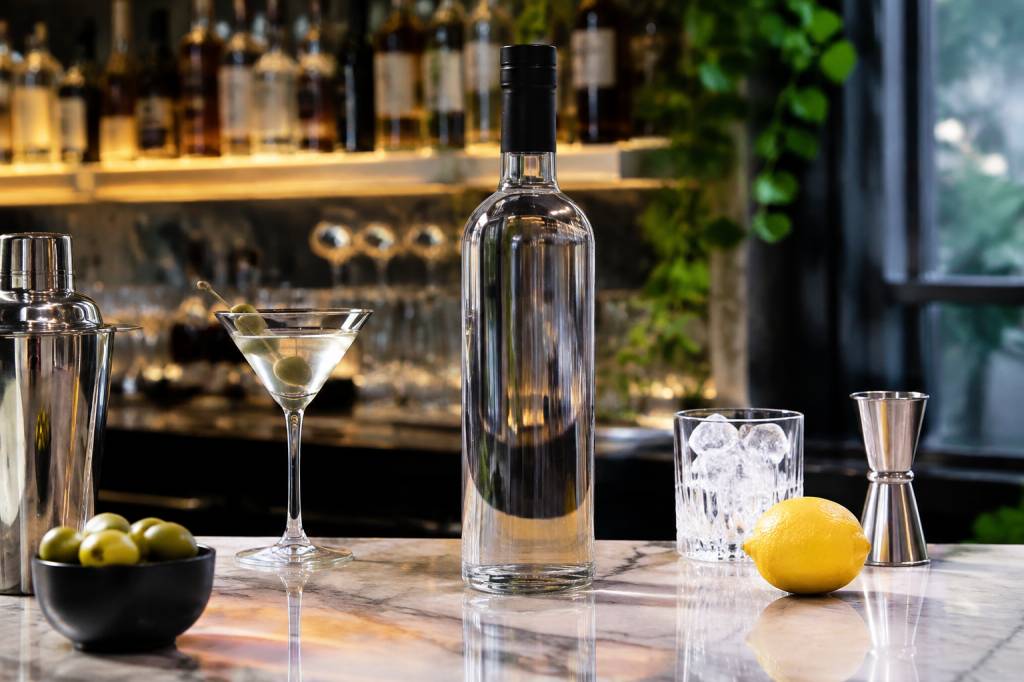
Bellows Vodka is not usually the bottle people point to when they want a long story about a famous distillery or a headline-grabbing production method. Its appeal is more practical: it is a straightforward vodka in a category where many bottles are designed to mix easily and fit an everyday bar. That makes it worth looking at—not as a mystery to solve, but as a bottle to assess by what is on its label, how it tastes in a glass, and what it can do in a cocktail.
Here’s the useful starting point: public information about Bellows Vodka can be limited, and product details may vary by market or bottling. Rather than assume a specific origin, filtration method, or ingredient source, check the bottle in front of you. Then taste it in a simple drink. Behind the bar, that approach beats buying a spirit based on a confident-sounding claim that may not apply to the bottle you have.
What Is Bellows Vodka?
Bellows is a spirits brand associated with accessible, uncomplicated bottles. Bellows Vodka is generally positioned as a mixing-friendly option, rather than as a luxury vodka marketed around elaborate production claims. The distinction matters: a vodka can be perfectly useful in cocktails without presenting itself as a collectible or a sipping showpiece.
As with any spirits brand, product availability and labeling can differ from one place to another. Start with the bottle’s front and back labels. Look for its alcohol by volume (ABV), country of origin, producer or bottler, and any statements about what it is made from or how it was produced. If a detail matters to you, the label—or information supplied by the retailer or producer—is a better guide than a generic online description.
That may sound less romantic than a tale about a secret spring or a centuries-old family recipe. It is also how a bartender avoids repeating folklore as fact. In spirits, the exact wording matters: “distilled in,” “produced by,” and “bottled by” can describe different parts of a product’s journey.
What to Look for on the Label
Vodka is a highly regulated category, but bottles still differ in ways that affect how you shop and serve them. Before you pick up Bellows—or any other vodka—take a few seconds to inspect the details.
-
ABV and proof: In the United States, many standard vodkas are bottled at 40% ABV, or 80 proof. Check the actual bottle rather than assuming every expression has the same strength.
-
Origin: The country or place of production may be stated on the label. Do not infer origin from a brand name or the location of a company’s headquarters.
-
Base material: Some labels identify the raw material, such as grain or another agricultural source. If it is not stated, avoid guessing.
-
Producer and bottler: These details can help clarify who made the spirit and who packaged it. They are especially useful when brand information online is sparse.
-
Ingredient and allergen information: If you have dietary concerns, check the packaging and contact the producer for specifics. Do not rely on a broad assumption about all vodka.
One practical tip from restaurant service: take a photo of the label before you toss the bottle. If you like it, you can find the same expression again. If you do not, you have the exact product information when you compare alternatives.
How Does Bellows Vodka Taste?
Taste is personal, and a brand description cannot replace a glass. A useful first check is to pour a small measure at room temperature and smell it before tasting. Look for any noticeable aroma, then take a small sip. Is the texture light or round? Does the alcohol feel sharp, or does it settle quickly? Is there a lingering flavor you enjoy—or one you would rather cover in a mixed drink?
For a fair test, serve the vodka at room temperature first, then try it chilled. Very cold temperatures mute aroma and soften the impression of alcohol, which is why freezer-cold vodka can seem smoother. That can be pleasant, but it is not the whole picture. If you are judging a bottle for cocktails, taste it in the kind of drink you actually plan to make.
There is no single universal “vodka taste.” The spirit should be clean enough to work in a range of drinks, but small differences in aroma, texture, and finish can still show up—especially in a Martini or a simple highball. If Bellows tastes neutral and balanced to you, that is useful information. If its character stands out, choose cocktails that make room for it rather than burying it under a crowded list of ingredients.
Where It Fits in a Modern Home Bar
Modern vodka has two jobs in a home bar. It can be the quiet support act in drinks built around citrus, herbs, or fruit, and it can be the base spirit in simple serves where its texture is more noticeable. Bellows makes the most sense if you are looking for a practical bottle for familiar mixed drinks and want to judge its value by performance, not packaging.
Think about how you drink before you buy. If most of your vodka goes into a Moscow Mule, a Vodka Soda, or a fruit-forward punch, a dependable mixing bottle may be all you need. If you prefer a very spare Martini or like sipping vodka on its own, pay closer attention to aroma, texture, and finish. The bottle that works well in a busy party punch is not automatically your favorite neat pour.
Price is part of that equation, but it is not the whole one. Compare Bellows with other vodkas sold in the same market and price range. Check the size and ABV, then taste two options side by side in the same drink. That small comparison tells you more than a flashy label or a rating viewed without context.
Three Easy Ways to Try It
These drinks keep the method simple, so you can see how the vodka behaves without needing specialty equipment or a shelf full of obscure ingredients. Use a jigger if you have one; consistent measurements make a better drink and a more useful taste test.
Vodka Soda
-
2 ounces vodka
-
4 to 5 ounces chilled soda water
-
1 lime wedge
Fill a tall glass with ice. Add the vodka, top with soda water, and squeeze in the lime. Give it one gentle stir. If the vodka seems harsh, try a little more soda or a smaller pour next time. If the drink tastes flat, use colder soda and fresh ice before adding extra lime.
Vodka Martini
-
2½ ounces vodka
-
½ ounce dry vermouth
-
Lemon twist or olive
Add the vodka and vermouth to a mixing glass filled with ice. Stir until thoroughly chilled, then strain into a chilled cocktail glass. Garnish with a lemon twist or olive. This is a revealing test: with so few ingredients, the vodka’s texture and finish have nowhere to hide. Adjust the vermouth to taste rather than treating “dry” as a fixed rule.
Simple Vodka Mule
-
2 ounces vodka
-
½ ounce fresh lime juice
-
4 ounces ginger beer, or enough to top
Build the drink in an ice-filled mug or tall glass. Add vodka and lime, top with ginger beer, and stir gently. Ginger beer varies in sweetness and heat, so taste before adding more lime. A squeeze of lime at the end brightens the drink; adding several extra ounces of vodka does not.
Mixing Tips That Make a Difference
Vodka is often treated as the easiest spirit to mix with, which can lead to careless drinks. A few small habits make a noticeable difference:
-
Use fresh ice: Ice that has picked up freezer odors can spoil an otherwise clean-tasting drink. Large, solid cubes also melt more slowly than small, cracked pieces.
-
Measure your pour: A balanced cocktail is easier to repeat. Free-pouring can turn a crisp drink into an alcoholic one with no sense of proportion.
-
Choose fresh citrus: Bottled juice can taste dull or overly sharp. Fresh lemon and lime are among the cheapest upgrades in a home bar.
-
Do not over-stir a highball: Once soda or ginger beer is in the glass, a gentle stir is enough. Stirring hard drives out carbonation.
-
Chill the glass when it helps: A cold glass keeps a Martini colder for longer. For a casual highball, cold ingredients and plenty of ice usually do the job.
A common mistake is trying to fix every drink with more citrus or syrup. First check the balance: is the drink too strong, too sweet, too sour, or simply warm? Adjust the ingredient responsible, one small step at a time.
Alternatives and Buying Advice
If Bellows is unavailable, compare other vodkas by the way you plan to use them. For a highball, look for a clean profile and a price that makes sense for regular mixing. For a Martini, consider buying a small bottle of a few options and tasting them side by side. There is little value in paying more for a feature you cannot detect or do not care about.
You can also adapt recipes around what is in your kitchen. No ginger beer? A Vodka Soda with lime is a different drink, not a failed Mule. No vermouth? Make a vodka-forward highball instead of calling plain vodka and ice a Martini. Good home bartending is about choosing a drink that suits the ingredients you have, not pretending substitutions are invisible.
If you are shopping online, verify the exact product name, bottle size, and ABV. Retail listings sometimes reuse descriptions or show a different package from the one available locally. When the brand’s production details are unclear, leave them unclear rather than filling the gap with a guess.
Serving Responsibly
Vodka can disappear easily in a sweet or sparkling drink, but it still contains alcohol. Measure servings, offer water and food, and provide appealing nonalcoholic options when entertaining. Never serve alcohol to anyone below the legal drinking age, and do not drive after drinking. A good host plans the ride home before the first cocktail is poured.
Bellows Vodka’s place in a modern spirits cabinet is straightforward: it is a bottle to assess on practical grounds. Read the label, taste it in a simple serve, and decide whether its price and character suit the drinks you actually make. If it gives you a balanced Vodka Soda or a Martini you enjoy, it has earned its spot on your shelf—no grand origin story required.