


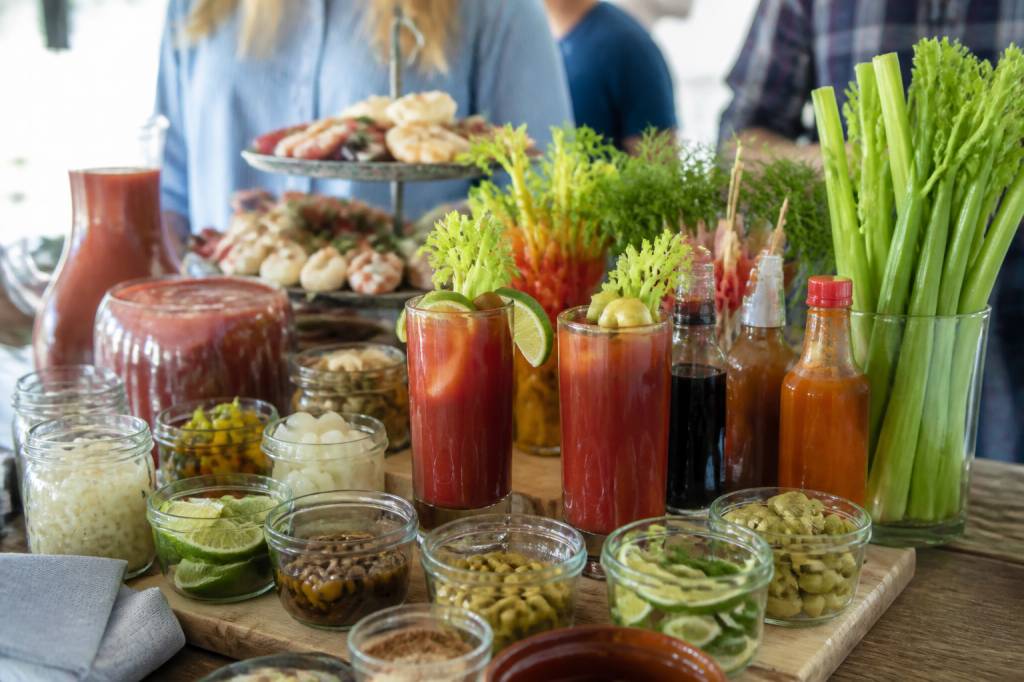
Why a Bloody Mary bar works so well at brunch
A Bloody Mary bar is one of the easiest ways to make brunch feel thoughtful without turning your kitchen into a full-time event space. It gives guests choice, keeps you from shaking individual drinks one by one, and sets a relaxed “help yourself” tone that works perfectly for late-morning hosting. If you’ve ever tried to play bartender while also cooking eggs, slicing fruit, and answering the door, you already know the appeal.
The real strength of a self-serve station is flexibility. Some guests want a classic, savory Bloody Mary with plenty of spice. Others want it mild, bright, and light on the garnish. A good bar covers both without making you overcomplicate the setup. The key is not quantity for the sake of quantity. It’s organization, balance, and a few smart choices that make the whole thing feel easy.
I’ve worked more brunch shifts than I can count, and the best Bloody Mary bars always had the same thing in common: they were built like a system, not a pile of ingredients. Once you understand that, the whole station becomes simple.
Start with the base: choose a Bloody Mary mix that behaves well
The mix is the backbone of the bar, so this is not the place to go vague. You want a base with body, acidity, and enough seasoning to stand on its own. If your mix tastes flat before vodka even enters the picture, it will not magically fix itself after. Tomato juice alone is not enough unless you’re planning to season each glass individually.
You have three solid options:
-
Use a high-quality prepared Bloody Mary mix for the easiest self-serve setup.
-
Make a house mix in advance if you want more control over salt, spice, and acidity.
-
Offer plain tomato juice plus seasonings nearby for guests who like to customize from the ground up.
If you make your own mix, keep it balanced: tomato juice, lemon juice, Worcestershire, hot sauce, celery salt, black pepper, and a little horseradish if you want bite. Chill it well before service. A cold base tastes cleaner and gives the station a more polished feel.
One practical note: keep the mix tasting slightly more assertive than you think it should in the pitcher. Once guests add vodka, ice, and garnishes, the flavor softens. A weak mix disappears fast.
Offer the right spirit, and keep it simple
Vodka is the default for a reason. It blends smoothly, lets the mix stay in charge, and keeps the drink familiar for most guests. You do not need an expensive bottle for a brunch bar, but you should use something clean and neutral. That said, it helps to give people one or two alternatives if your crowd likes to play.
-
Classic vodka for the standard Bloody Mary.
-
Spicy vodka if you want to add a little extra heat without overloading the mix.
-
Tequila for a Bloody Maria variation.
-
Gin for guests who enjoy herbal notes, though this one tends to divide the room.
Label everything clearly. If you put out multiple spirits, the last thing you want is guests guessing and accidentally building a very weird drink. I’ve seen someone use gin thinking it was vodka, and the look on their face said everything.
A good rule: one main spirit, one optional alternative. That keeps the bar approachable and prevents it from turning into a chemistry lab.
Build your station like a bartender would
The best self-serve brunch stations are laid out in the order people actually build the drink. That means starting with the glass and ending with the garnish. You want the flow to feel obvious, even for the guest who arrives late and is already halfway into the mimosa conversation.
Here’s a smart layout:
-
Glasses at the beginning of the table.
-
Ice next, in a large bucket or insulated dispenser.
-
Spirit bottles with clear labels or pour spouts.
-
Bloody Mary mix in a pitcher or dispenser with a ladle or spigot.
-
Seasonings and sauces in small bowls or bottles.
-
Garnishes at the end, where guests can finish their drink.
Use small signs if you can. They help guests move quickly and save you from repeating the same instructions all morning. Something as simple as “ice, spirit, mix, season, garnish” is enough.
Also, keep the station on a stable surface. This sounds obvious until someone tries to build a Bloody Mary on a wobbly side table. Tomato juice and uneven furniture are not friends.
Keep the seasoning bar focused, not chaotic
This is where a Bloody Mary bar can get out of hand. You do not need twenty condiments. You need a tight selection that covers heat, salt, acid, and savory depth. The goal is to let guests adjust the drink, not force them to build a deli tray in a glass.
These are the essentials:
-
Worcestershire sauce
-
Hot sauce such as Tabasco or a similar clean, vinegar-based sauce
-
Celery salt
-
Black pepper
-
Horseradish
-
Fresh lemon or lime wedges
If you want one extra element, add a savory salt blend or a rim seasoning. That gives the drink a finished feel without demanding more from the guest. But resist the urge to add everything under the sun. If the bar starts looking like a pantry dump, people freeze up.
One useful trick from busy brunch service: mix a pre-seasoned “house Bloody Mary booster” in a small squeeze bottle. Combine Worcestershire, hot sauce, lemon juice, and a little horseradish. Guests can add a quick shot of flavor with one squeeze instead of juggling four bottles.
Choose garnishes that look good and make sense
The garnish is the part everyone remembers, so yes, it matters. But the garnish should still taste like it belongs in the drink. You want visual impact, sure, but you also want bites that pair naturally with tomato, spice, and acid.
Strong garnish options include:
-
Celery stalks
-
Pickle spears
-
Olives
-
Cocktail onions
-
Lemon wedges
-
Cherry tomatoes
-
Pickled green beans
-
Bacon strips
-
Cheese cubes
-
Jalapeño slices
If you want to go bigger, offer one “loaded” garnish option rather than a dozen random add-ons. A small skewer with a pickle, olive, and tomato is enough to make the drink feel abundant without becoming a meal on a stick. Although, to be fair, brunch is the one time people happily accept a drink that doubles as a snack.
Keep garnishes chilled, especially anything dairy-based or protein-heavy like cheese and bacon. And don’t stack wet ingredients on top of dry ones. Nobody wants their celery swimming next to the olives before the party even starts.
Think about dietary needs before guests arrive
A good brunch host thinks ahead. A great one makes the station easy for everyone to use. Bloody Mary bars are naturally flexible, but a few small choices make them more inclusive.
-
Offer a virgin version with no alcohol and a clearly labeled “zero-proof” option.
-
Use a gluten-free spirit and mix if needed, and check labels on sauces and seasonings.
-
Keep shellfish out of the main garnish area unless you are absolutely sure it is welcome and clearly separated.
-
Label spicy items so guests with lower heat tolerance don’t get surprised.
-
Provide vegetarian-friendly garnishes alongside bacon or other meat options.
Clear labeling does more than prevent mistakes. It makes guests feel comfortable experimenting. If they know exactly what they’re reaching for, they’re more likely to build a drink they actually enjoy.
How much should you prepare?
Planning quantities is the part that keeps the host sane. For a typical brunch crowd, figure roughly one to two drinks per guest if alcohol is being served alongside food. If your group likes to linger, make enough mix for the second round, because Bloody Marys are rarely a one-and-done situation.
A practical estimate for 8 to 10 guests:
-
1 to 1.5 liters of Bloody Mary mix
-
1 standard bottle of vodka
-
Plenty of ice, more than you think
-
2 to 3 lemons
-
Small portions of 4 to 6 garnishes
If you’re hosting a larger group, consider making one refill pitcher of mix and storing it cold in the fridge. The bar should be replenished discreetly so it never looks empty. Nothing kills the mood faster than a half-dry dispenser and sad, warm garnishes.
Make the station look intentional
You do not need a professional catering setup to make the bar look polished. A few details go a long way. Use consistent glassware, small bowls for seasonings, and simple labels. Add a tray, a cutting board, or a runner to anchor the display. If everything is sitting directly on the table with no structure, the station feels improvised in the wrong way.
Natural materials work well here. Wood boards, metal bowls, and clear glass containers give the spread a clean, inviting look. Keep napkins, straws, and stirrers within reach. If people have to hunt for a spoon after building their drink, they’ll end up stirring with a celery stalk, and while that is technically possible, it is not ideal.
Also, use a clean towel nearby. Tomato juice drips. It always does.
Common mistakes to avoid
Most Bloody Mary bar problems are easy to prevent if you know where the trouble starts.
-
Too many options can overwhelm guests and slow the line.
-
Warm mix makes the drink taste dull and sloppy.
-
Weak seasoning leaves the bar tasting flat, no matter how pretty it looks.
-
Overly messy garnishes create more cleanup than enjoyment.
-
Poor labeling leads to confusion and accidental flavor combinations.
-
Not enough ice turns the whole setup into a problem by 11:15 a.m.
The easiest way to avoid these issues is to test the station before guests arrive. Build one sample drink exactly as a guest would. If the flow feels awkward or the flavor falls apart, adjust before the crowd starts serving itself.
A simple host workflow that keeps brunch moving
If you want the whole thing to feel smooth, set up the station in advance and assign yourself one quick maintenance routine during brunch. That means topping up ice, replacing empty garnishes, and checking the mix before it runs low.
A good rhythm looks like this:
-
Set everything up 20 to 30 minutes before guests arrive.
-
Keep the first pitcher of mix fully chilled.
-
Refill small bowls before they look empty, not after.
-
Wipe spills between rounds.
-
Leave a backup bottle of mix in the fridge.
The goal is not perfection. It is control. When the station runs itself, you get to enjoy brunch like a guest instead of managing it like a shift manager.
A solid Bloody Mary bar recipe framework to use
If you want a dependable house build, use this as your starting point for each drink:
-
2 oz vodka
-
4 to 5 oz Bloody Mary mix
-
1 squeeze lemon juice, if needed
-
1 dash Worcestershire
-
1 to 3 dashes hot sauce, depending on heat preference
-
Pinch of celery salt or rim seasoning
-
Fresh ice
-
One or two garnishes, or more if that’s the vibe
That formula is easy for guests to follow and easy for you to scale. If someone wants it bolder, they can add more seasoning. If they want it cleaner, they can keep it simple. That’s the beauty of a well-built brunch station: everybody gets what they want without turning the morning into a custom order nightmare.
Finish with balance, not excess
The best Bloody Mary bar is not the loudest one. It’s the one that feels thoughtful, balanced, and easy to use. Give guests a good base, a sensible lineup of spirits and seasonings, and a garnish selection that looks generous without becoming ridiculous. Build it with the same mindset you’d use behind the bar: clear structure, clean flavors, no unnecessary clutter.
Do that, and your brunch station will do what it should do best: keep people happy, keep service moving, and make you look like you planned everything days in advance, even if you assembled it in a fairly heroic rush an hour before everyone arrived.