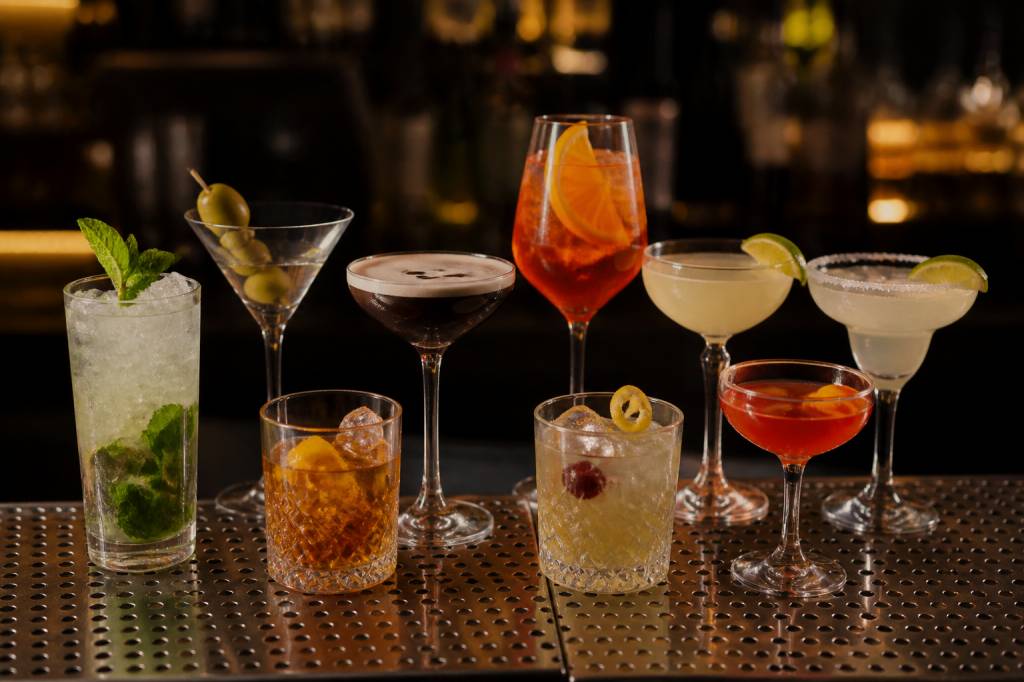
If you want to build better cocktails, start by studying the drinks that already got it right. That’s the short version. The longer version? Classic cocktails are basically the cheat codes of the bar world: balanced, repeatable, and full of small ideas you can steal for your own drinks.
When I was behind the bar, the best guests weren’t always the ones ordering the most complicated thing on the menu. A lot of them asked smart questions: “What’s similar to a Negroni, but lighter?” or “What drink should I know if I like something spirit-forward?” That’s where the classics come in. They teach you structure, proportion, and how one ingredient can change the whole feel of a drink.
Here are 10 drinks worth knowing if you want real classic cocktail inspiration. Not because they’re old, but because they still work.
Old Fashioned
If classic cocktails had a backbone, this would be it. The Old Fashioned is the simplest lesson in balance: spirit, sugar, bitters, water, citrus oil if you want it. Nothing extra. Nothing hiding.
Usually built with bourbon or rye, it shows how a cocktail can feel complete with just a few ingredients. The key is not to drown it in sweetness or overload it with fruit. A good Old Fashioned should taste like the spirit first, with just enough support to soften the edges.
Why it matters for inspiration:
One common mistake? Too much soda, too much fruit, too much “help.” Let the whiskey do the talking.
Martini
The Martini is one of the best examples of precision in cocktail making. People love to argue about the ratio, the garnish, the spirit, the glass. That’s part of the fun. But underneath the debate, the Martini teaches restraint.
Gin or vodka, vermouth, stirring, strain, serve cold. That’s the core. If you rush it or water it down too much, the drink falls apart. A proper Martini is sharp, clean, and focused. It also forces you to think about texture and temperature, which too many home cocktails ignore.
Why it matters for inspiration:
Small barroom truth: if your Martini is cloudy, lukewarm, and over-shaken, the olives are not the problem.
Negroni
The Negroni is proof that bitterness can be elegant, not aggressive. Equal parts gin, sweet vermouth, and Campari, stirred and served over ice. Simple formula, huge personality.
It’s one of those drinks that teaches you how to balance intensity. The gin provides structure, the vermouth gives depth, and Campari brings the bite. The result is bold but not chaotic. If you’re looking for inspiration, this is a masterclass in using amaro and aperitivo ingredients without making a drink feel heavy.
Why it matters for inspiration:
If a guest says they want “something bitter but approachable,” nine times out of ten, the Negroni family is where I’d start.
Manhattan
The Manhattan is the classic answer to the question: “What if whiskey wanted to dress well?” Rye or bourbon, sweet vermouth, bitters. Stirred, strained, no fuss.
This drink is all about polish. It’s richer and rounder than a Martini, but still clean enough to show technique. The sweet vermouth matters here; don’t treat it like a background actor. A stale bottle will drag the whole drink down.
Why it matters for inspiration:
In service, I always liked the Manhattan because it tells you a lot about the bartender. If it’s sloppy, you know. If it’s right, you really know.
Daiquiri
Forget the frozen neon version for a minute. The classic Daiquiri is one of the cleanest, smartest cocktails ever made: rum, lime, sugar. That’s it. And it works because the ratios are tight.
This drink is a great reminder that a cocktail doesn’t need lots of ingredients to feel complete. The rum brings body, the lime brings brightness, and the sugar ties it together. If one element is off, the whole thing feels wrong. That makes it a great training drink for anyone learning balance.
Why it matters for inspiration:
One thing I tell people often: if your Daiquiri tastes flat, don’t blame the rum first. Check your lime and your ratio.
Sidecar
The Sidecar sits right in that sweet spot between sharp and smooth. Cognac, orange liqueur, lemon juice. It’s elegant, bright, and still has enough edge to keep you paying attention.
It’s a useful cocktail because it shows how citrus and liqueur can shape a base spirit without burying it. If you’re building your own drinks, the Sidecar is a lesson in using a modifier that adds both sweetness and flavor. Not all sweeteners are equal, and this drink proves it.
Why it matters for inspiration:
At the bar, the Sidecar was often the drink that surprised people. They expected something soft. They got something precise.
Whiskey Sour
The Whiskey Sour is where a lot of people first learn that sour cocktails can be more than just “whiskey with lemon.” Properly built, it’s bright, balanced, and incredibly versatile.
Whiskey, citrus, sweetener. Sometimes egg white, sometimes not. The drink teaches you how acidity can lift a heavier spirit and make it feel more accessible. If you want a cocktail that bridges the gap between casual and classic, this is one of the best examples.
Why it matters for inspiration:
Common mistake: using too little citrus because you’re afraid of sourness. That usually leaves you with a dull whiskey drink, which is not the point.
Margarita
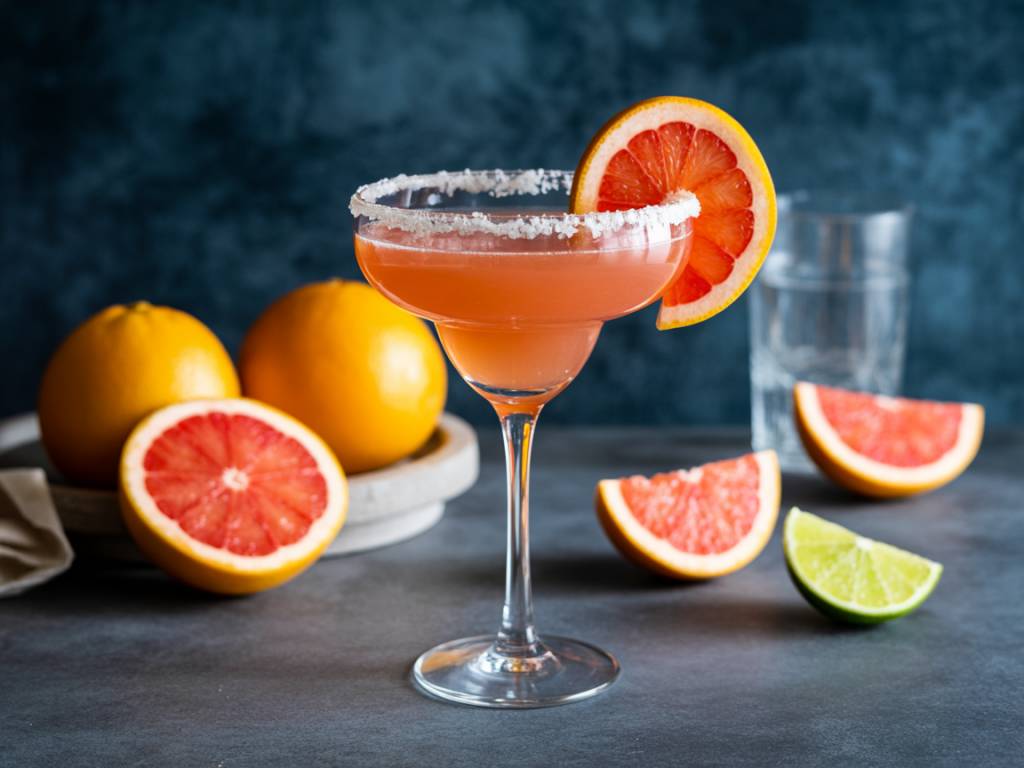
The Margarita is a lesson in brightness and salt. Tequila, lime, orange liqueur. Sometimes shaken hard, sometimes served up, sometimes over ice. However you like it, the core structure is one of the most useful in modern cocktail making.
What makes the Margarita so valuable is its flexibility. You can keep it crisp and classic, or lean into smoky, spicy, or seasonal variations without losing the identity of the drink. That makes it an excellent model for your own creations.
Why it matters for inspiration:
If you’ve ever had a Margarita that tasted too sweet, chances are the drink was built to please, not to balance. There’s a difference.
Old Pal
The Old Pal is what happens when you want the Negroni’s shape but a drier, leaner edge. Rye whiskey, dry vermouth, and Campari. It’s crisp, slightly bitter, and a little more angular than the better-known classics.
This is a fantastic drink to know because it introduces dry vermouth in a more interesting way. A lot of people only meet dry vermouth in a Martini, but here it gets to play a different role. The Old Pal is a reminder that swapping one ingredient can transform the whole mood of a cocktail.
Why it matters for inspiration:
If the Negroni feels like a red velvet jacket, the Old Pal is the tailored blazer version.
French 75
The French 75 brings sparkle to the classics. Gin, lemon juice, sugar, topped with Champagne or another dry sparkling wine. It’s bright, celebratory, and proof that a cocktail can feel refined without being fussy.
What I like about the French 75 is that it teaches you about contrast. You’ve got citrus, sweetness, botanicals, and bubbles all in one glass. The sparkling wine isn’t just decoration; it changes the texture and makes the whole drink feel more alive.
Why it matters for inspiration:
Tip from service: don’t overfill the glass before adding the bubbles. No one enjoys cleaning Champagne off the bar mat.
Boulevardier
The Boulevardier is the whiskey cousin of the Negroni, and it deserves more attention than it gets. Bourbon or rye, sweet vermouth, Campari. Stirred, served up or over ice, depending on the style you want.
This drink is a great reminder that the same structure can feel totally different with a spirit swap. Compared with the Negroni, the Boulevardier is warmer, rounder, and a little more autumn-ready. It’s an especially useful reference if you’re building cocktails for colder months or for guests who want bitterness without the sharpness of gin.
Why it matters for inspiration:
In practical terms, this is one of those drinks that teaches you not to think in rigid categories. A good structure can wear different clothes.
How to Use These Classics in Your Own Cocktails
Knowing these 10 drinks is useful, but the real value comes from reading them like blueprints. Ask yourself what each one is doing. Is it a sour? A spirit-forward stir? A bitter aperitif? A sparkling lift?
Once you can identify the structure, you can start making smart changes instead of random ones. That’s the difference between a cocktail that feels intentional and one that just has “stuff in it.”
Here’s the practical approach I’d use behind the bar or at home:
A few examples: a Daiquiri can become a passion fruit Daiquiri without losing its soul. A Negroni can shift with different amaros. A Manhattan can move from rye to bourbon to brandy and still make sense. That’s the beauty of classic cocktails: they’re sturdy enough to adapt.
If you know these drinks well, you’re not just memorizing recipes. You’re learning a language. And once you speak it, building your own cocktails gets a whole lot easier.