
Can you make a Moscow Mule with tequila?
Yes — and if you do it right, it’s very good. Strictly speaking, it’s not a classic Moscow Mule anymore. A true Moscow Mule is built with vodka, ginger beer, and lime. Swap the vodka for tequila and you’ve crossed into a different drink family: a tequila mule, sometimes called a Mexican Mule.
But let’s not get stuck on labels. In a bar, the real question is simple: does it drink well? With tequila, the answer is absolutely yes. The spirit brings a brighter, more expressive flavor than vodka, and when you pair it with sharp lime and spicy ginger beer, you get a cocktail that feels fresher, livelier, and a little more interesting.
I’ve made plenty of these behind the bar for people who wanted “something like a Moscow Mule, but with tequila.” Most of the time, they weren’t looking for a science experiment. They wanted a drink that stayed crisp and easy, but with a bit more character. Tequila does exactly that.
What changes when you use tequila?
Vodka is neutral by design. Tequila is not. Even a clean blanco tequila has a distinct agave profile: grassy, peppery, citrusy, sometimes a touch mineral. That means the cocktail stops being purely about ginger and lime and starts carrying a second personality.
That’s the main reason a tequila mule works. Ginger beer gives heat, lime gives acidity, and tequila brings depth. The drink becomes a little more angular, a little less soft. If you like drinks that taste “alive” rather than just easygoing, tequila is a strong move here.
There is one thing to watch: not every tequila works the same way. A funky, overly sweet, or heavily oak-driven bottle can throw the balance off. This drink wants clarity, not baggage.
Which tequila should you use?
For the best tequila mule, start with a good blanco tequila. That’s the safest and most reliable choice.
- Blanco tequila: clean, crisp, and bright. This is the go-to for a tequila mule.
- Reposado tequila: works if you want a softer, rounder drink with subtle vanilla or oak notes.
- Añejo tequila: usually too rich and woody for this cocktail. Not impossible, but not ideal.
If you’re serving this for a crowd, blanco is the easy answer. It keeps the drink fresh and lets the ginger beer do its job. If you’re making one for yourself and want a slightly smoother, more mellow profile, reposado can be fun — just know it changes the character of the cocktail.
My rule from years behind the bar: if a drink has only three ingredients, each one has to show up clearly. Tequila should taste like tequila. Ginger beer should taste like ginger beer. Lime should keep everything from drifting into sweet territory. No hiding, no excuses.
The basic tequila mule formula
Here’s the structure that works almost every time:
- 2 oz tequila blanco
- 1/2 oz fresh lime juice
- 4 to 6 oz ginger beer, depending on your glass and how strong you want it
- Ice
- Lime wedge or wheel for garnish
This is the backbone of the drink. From there, you can fine-tune based on the ginger beer you use. Some are sweet and mild; others are fiery and dry. If yours is very sweet, you may want a bit more lime. If it’s very spicy, you can ease up slightly on the acid and let the ginger lead.
One mistake I see often is overcomplicating the mule. You don’t need syrup, bitters, or five kinds of citrus. The drink is built on contrast: spirit, acid, sweetness, spice. Keep it clean.
How to make it properly
Yes, this is a simple drink, but simple doesn’t mean careless. The method matters.
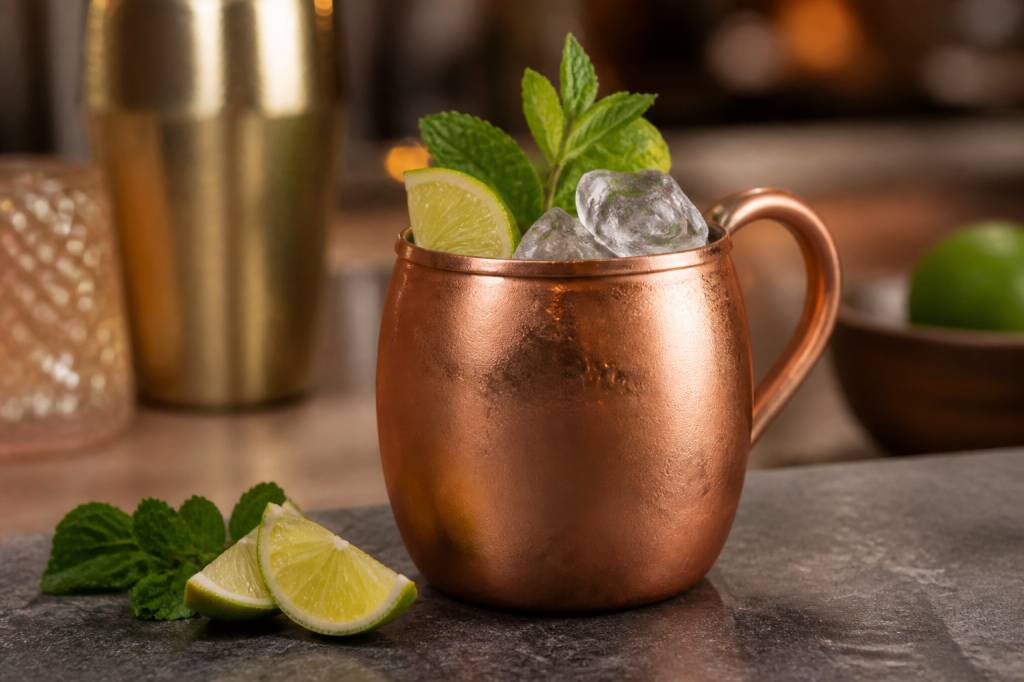
- Fill a copper mug or highball glass with ice.
- Add 2 oz tequila blanco.
- Add 1/2 oz fresh lime juice.
- Top with ginger beer.
- Stir gently to combine without flattening the carbonation.
- Garnish with a lime wheel or wedge.
If you want the drink colder, chill the glass first. If you’re using a copper mug, even better — it holds the cold well and gives the drink that classic mule feel. But don’t obsess over the mug. Good ice and a fresh pour matter more than the vessel.
Another bar lesson: pour the ginger beer last. If you add it too early and stir aggressively, you lose carbonation fast. A mule should feel lively, not tired.
Does tequila make it better than vodka?
That depends on what you want from the drink. Vodka makes a cleaner, more neutral mule. Tequila gives you more flavor up front. If you enjoy agave notes and a little pepper on the finish, tequila probably wins.
In practice, tequila often feels more interesting because it gives the cocktail a recognizable backbone. The ginger beer doesn’t have to carry the whole drink. The lime has something to push against. The result can be more satisfying than the vodka original, especially if your ginger beer is on the sweeter side.
That said, vodka still has its place. If you want the ginger and lime to dominate completely, vodka is the quieter option. Tequila is for when you want the drink to speak up.
How to keep the balance right
With only a few ingredients, balance is everything. If the drink feels off, it usually comes down to one of these points:
- Too sweet: your ginger beer is probably the issue. Add a little more lime or switch to a drier brand.
- Too sharp: reduce the lime slightly or use a softer ginger beer.
- Too flat: your ginger beer may be old or under-carbonated. Fresh bubbles matter.
- Too boozy: lower the tequila to 1 1/2 oz or increase the ginger beer.
I’ve seen people blame the tequila when the real problem was a stale bottle of ginger beer sitting open in the fridge for two weeks. Carbonation is part of the structure. Lose it, and the drink falls apart fast.
Best ginger beer choices for a tequila mule
Not all ginger beers are equal. Some taste like spicy soda, some are bone-dry and sharp, and some sit in that awkward middle ground where they don’t fully commit to either sweetness or heat.
For tequila, I usually prefer a ginger beer with enough bite to stand up to the spirit. You want the ginger to be obvious. If it’s too soft, the tequila can feel a little disconnected.
- Spicy ginger beer: great if you like a bolder finish.
- Dry ginger beer: excellent for a crisper, less sweet mule.
- Sweet ginger beer: works, but you’ll probably want more lime.
If you’re unsure, taste the ginger beer before making the cocktail. That one step saves a lot of guesswork.
Should you use a copper mug?
You don’t have to, but it helps. A copper mug keeps the drink ice-cold and gives the cocktail that familiar mule presentation. It also makes the whole thing feel more deliberate, which matters if you’re serving guests.
That said, I’ve made plenty of excellent tequila mules in a simple highball glass. If the drink is balanced, it will work anywhere. The mug is tradition. The flavor is the point.
One practical note: if you use a copper mug, make sure it’s lined properly. Cheap, unlined copper mugs can be an issue, and there’s no reason to take a risk for a garnish-friendly aesthetic.
Easy variations worth trying
Once you’ve got the base drink down, you can adjust it without losing the mule identity. Keep the structure intact and tweak from there.
- Spicy tequila mule: add a slice of jalapeño or a dash of chili tincture.
- Smoky mule: use a small amount of mezcal with the tequila, not instead of it.
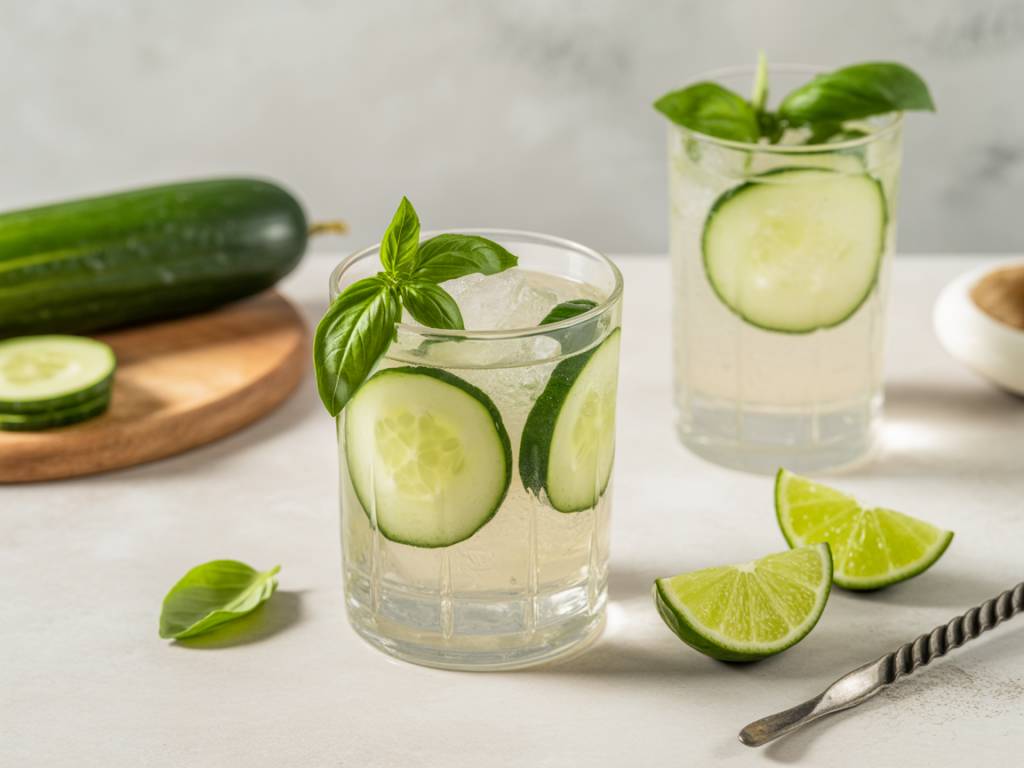
- Cucumber mule: add a few cucumber slices for a fresher, cooler profile.
- Herbal mule: use a sprig of mint or cilantro for garnish.
- Fruit-forward mule: add a small splash of pineapple or grapefruit, but keep it restrained.
My advice: if you’re making variations, change one thing at a time. That way you know what actually improved the drink. Too many home bartenders treat a cocktail like a kitchen sink. The result usually tastes like confusion.
Common mistakes to avoid
Even a short cocktail can go wrong if you rush it. Here are the usual problems I see:
- Using bottled lime juice: fresh lime is non-negotiable here.
- Choosing the wrong tequila: a harsh or overly aged tequila can dominate the drink.
- Overstirring: you only need a gentle mix.
- Using old ginger beer: flat ginger beer makes a flat drink.
- Too much garnish: keep it clean. You’re not building a fruit bowl.
The biggest error is assuming the tequila mule is just a swap-and-go recipe. It is a swap, yes — but the spirit change affects everything. Tequila adds flavor, so your proportions should support that, not bury it.
When to serve a tequila mule
This is a strong choice for warm weather, casual gatherings, and aperitif-style drinking. It’s refreshing without being lightweight, and it works well before dinner because the ginger and lime wake up the palate.
It’s also a good “bridge” cocktail for guests who usually drink vodka mules but want something with a little more personality. I’ve served this at backyard dinners, taco nights, and even as a welcome drink for small parties. It fits relaxed settings especially well.
If you’re planning a menu around it, pair it with food that can handle a little spice or acidity:
- Tacos with grilled fish or chicken
- Guacamole and tortilla chips
- Ceviche
- Street corn
- Lightly spiced grilled vegetables
That said, it’s not a cocktail that needs a special occasion. If you have tequila, lime, ginger beer, and ice, you’re already in business.
The short answer
Yes, you can make a Moscow Mule with tequila — but the better name is tequila mule or Mexican Mule. Use a good blanco tequila, fresh lime juice, and a ginger beer with enough bite to balance the spirit. Keep the method simple, stir gently, and don’t overthink the garnish.
It’s one of those drinks that rewards restraint. Three ingredients, done well, can beat a complicated recipe every time. And if you ask me, tequila gives the mule just enough edge to make it memorable without losing what made the original work in the first place.
If you like your cocktails crisp, refreshing, and easy to build at home, this is a smart one to keep in your back pocket. It’s familiar enough to feel comfortable, but with tequila in the mix, it has a little more attitude. And sometimes that’s exactly what the glass needs.