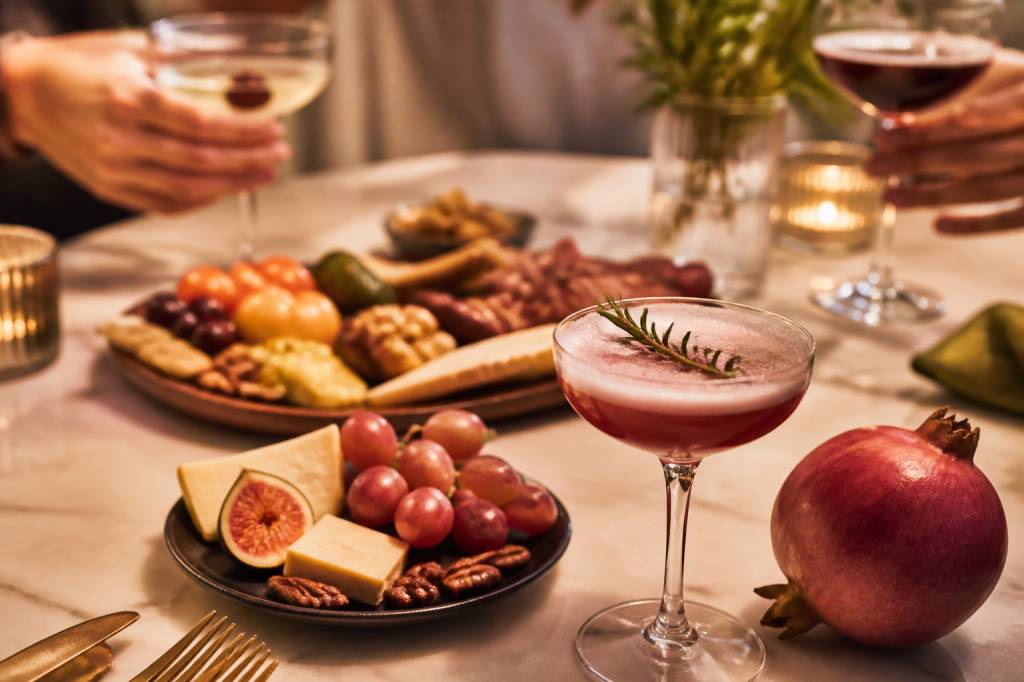
Pairing food with cocktails is one of those things that sounds fancy until you actually do it. Then it becomes obvious: the right bite can make a drink feel brighter, drier, richer, or more refreshing. The wrong one can flatten everything. A sweet cocktail next to a sugary dessert? Fine, but not always exciting. A bitter cocktail with greasy food? Now we’re getting somewhere.
In a busy bar, I learned this fast: guests remember the combinations that work. A well-chosen bite doesn’t just “go with” a drink—it changes the way you taste it. That’s the fun part. And if you’re hosting, pairing classic cocktails with seasonal food gives you an easy way to build a menu that feels intentional without turning your living room into a test kitchen.
Let’s keep it practical. Below are pairings that work, why they work, and how to adapt them when your pantry is doing its best but not cooperating.
Start with the rule: match intensity, contrast texture
You don’t need a sommelier’s diploma to pair cocktails with food. The basic idea is simple: a light drink needs a light bite, a bold drink can handle richer food, and texture matters as much as flavor. Crisp drinks love salty, crunchy snacks. Spirit-forward cocktails stand up to fat and umami. Sour cocktails need something with enough flavor to avoid disappearing.
When in doubt, ask yourself three questions:
- Is the cocktail light, bold, sweet, bitter, or acidic?
- Does the food need a contrast, or should it echo the drink?
- Will the garnish or seasoning in the food fight the cocktail’s main flavor?
That last one matters more than people think. A rosemary-heavy dish with a rosemary-garnished cocktail can be brilliant or overwhelming. If you’ve ever had a drink taste like a Christmas tree after the third sip, you know what I mean.
Gin & Tonic with salty seafood and crisp snacks
A classic Gin & Tonic is all about refreshment: bitterness from the tonic, botanical lift from the gin, and plenty of acidity and bubbles. That makes it a great match for salty, clean flavors.
Best pairings:
- Oysters with a mignonette
- Shrimp cocktail
- Smoked salmon on rye or cucumber rounds
- Marinated olives and almonds
- Goat cheese crostini with herbs
Why it works: the tonic’s bitterness cuts through brine and fat, while the carbonation keeps the palate fresh. Seafood with a clean finish lets the gin stay in the foreground. If you’re using a citrus-forward gin, a squeeze of lemon over seafood ties everything together nicely.
Hosting tip: if you’re setting out a snack board, keep the salt under control. The cocktail already brings some bitterness; you want balance, not a sodium competition.
Martini with oysters, hard cheeses, and savory bites
The Martini is not subtle, and that’s exactly why it works with food. Whether you go dry, wet, or dirty, it needs something with enough structure to stand beside it. Oysters are the obvious classic, but there’s more to it than that.
Best pairings:
- Fresh oysters
- Parmesan crisps
- Manchego or aged Gouda
- Stuffed olives
- Prosciutto-wrapped melon, if you want a little contrast
Why it works: the Martini’s clean, boozy edge loves umami and salt. Oysters echo the drink’s dryness, while aged cheeses bring the savory depth to keep the cocktail from feeling too sharp. Dirty martinis are even easier: the olive brine makes them friendly with all kinds of salty appetizers.
Common mistake: serving a Martini with overly delicate canapés that get lost after the first sip. If the food can’t survive the drink, it’s not the right pairing.
Old Fashioned with roasted nuts, barbecue, and rich desserts
An Old Fashioned brings whiskey, sugar, bitters, and often orange. That means depth, warmth, and a touch of sweetness. It pairs well with food that has smoke, caramelization, or fat.
Best pairings:
- Smoked brisket or short ribs
- BBQ pork sliders
- Candied pecans or spiced walnuts
- Dark chocolate bark with sea salt
- Butterscotch or pecan tart
Why it works: the cocktail’s sugar and bitters connect naturally to roasted and charred flavors. Whiskey loves smoke. So does barbecue. The orange note in an Old Fashioned can also play nicely with spice rubs, especially if there’s a little paprika, clove, or black pepper in the dish.
If you’re hosting in cooler weather, this is one of the easiest pairings to build around. Put out something savory first, then finish with a small, not-too-sweet dessert. The cocktail will do the heavy lifting.
Negroni with cured meats, bitter greens, and aged cheese
The Negroni is a masterclass in balance: gin, Campari, and sweet vermouth. Bitter, herbal, and gently sweet all at once. It needs food that can handle that bite.
Best pairings:
- Prosciutto, salami, and mortadella
- Arugula salad with shaved Parmesan
- Aged cheddar or pecorino
- Grilled vegetables with olive oil and herbs
- Orange-dusted dark chocolate
Why it works: bitterness and salt are old friends. The Negroni’s sharp edges are softened by fat and cured meat, while bitter greens mirror the cocktail without making it feel repetitive. A little citrus in the food or garnish can pull the drink into focus.
Personal note from the bar: Negroni drinkers are rarely looking for something “light.” Give them something with personality. A bland cheese plate will not save the day.
Manhattan with roast meats, mushrooms, and caramelized flavors
A Manhattan is smooth, strong, and elegant, with whiskey, vermouth, and bitters doing a very specific dance. It wants food with depth, earthiness, and a bit of sweetness from browning or roasting.
Best pairings:
- Roast beef sliders
- Mushroom tartlets
- Caramelized onions on toast
- Duck breast with cherry glaze
- Plum tart or cherry-based desserts
Why it works: vermouth brings a wine-like sweetness that loves savory, roasted flavors. Mushrooms are especially good here because they echo the cocktail’s earthy side. If you’re serving the Manhattan with a garnish cherry, use that as a clue: cherry-glazed dishes and stone fruit desserts can make the pairing feel seamless.
One thing to avoid: anything too spicy. A Manhattan has enough heat from the whiskey; aggressive chili can throw the balance off fast.
Margarita with tacos, ceviche, and bright seasonal vegetables
The Margarita is built for food. Tequila, lime, orange liqueur, salt—it’s made to wake up the palate. That makes it one of the best cocktails for entertaining, especially when your menu leans fresh, zesty, and slightly spicy.
Best pairings:
- Fish tacos
- Chicken or carnitas tacos
- Ceviche
- Grilled corn with chili and lime
- Avocado toast with radish and herbs
Why it works: acid plus salt plus freshness is the Margarita’s natural language. Lime cuts through richness, tequila stands up to spice, and the orange note smooths everything out. Seasonal vegetables are a smart move here too, especially in spring and summer when tomatoes, cucumbers, and herbs are at their peak.
Hosting tip: if you’re serving Margaritas with spicy food, keep the heat moderate. The drink refreshes, but it won’t rescue your guests from a scorched tongue.
Whiskey Sour with fried food, poultry, and fruit-forward dishes
The Whiskey Sour is bright, balanced, and easy to love. Lemon gives it lift, whiskey gives it backbone, and egg white, if used, adds texture. That makes it extremely food-friendly.
Best pairings:
- Fried chicken
- Chicken skewers with herb marinade
- Pork belly bites
- Apple tart or pear galette
- Soft cheeses with honey and herbs
Why it works: acidity cuts fat. That’s the headline. The sour profile resets the palate after rich or fried foods, which is why this cocktail works so well with crispy appetizers and poultry dishes. Fruit-forward sides or desserts also connect with the lemon and whiskey without making the pairing feel heavy.
If your Whiskey Sour uses a little more sugar, keep the food savory. If it’s on the tart side, fruit can be a great bridge. Simple adjustment, better pairing.
Seasonal entertaining: build the menu around the weather
Seasonal hosting is where cocktail pairings become especially useful. In spring and summer, people want brightness, crunch, salt, and acidity. In fall and winter, they want comfort, richness, and depth. That doesn’t mean you need to reinvent the menu every few months. It means choosing cocktails and bites that make sense together.
For spring:
- Gin & Tonic with asparagus tart, spring peas, and goat cheese
- Margaritas with ceviche, herb salad, and grilled vegetables
- Martinis with oysters and cucumber canapés
For summer:
- Negronis with caprese skewers and prosciutto
- Whiskey Sours with fried chicken bites and peach salad
- Gimlets with shrimp, melon, and fresh herbs
For fall:
- Old Fashioneds with roasted nuts, glazed pork, and squash tart
- Manhattans with mushroom dishes and caramelized onions
- Brown Derby-style whiskey cocktails with roasted turkey or ham
For winter:
- Negronis with charcuterie, aged cheese, and bitter greens
- Old Fashioneds with beef, smoked meats, and dark chocolate
- Manhattans with rich hors d’oeuvres and cherry desserts
Think of it this way: the season tells you what people are craving before they say it out loud. In summer, they want something cold and sharp. In winter, they want something that feels like it has a coat on.
How to avoid the most common pairing mistakes
There are a few mistakes I see all the time, and they’re easy to fix.
- Don’t pair very sweet food with a sweet cocktail unless you want dessert overload.
- Don’t use too many competing herbs in both the drink and the dish.
- Don’t ignore salt—it often makes the pairing work.
- Don’t serve delicate food with a very boozy cocktail if you want the food to be noticed.
- Don’t forget texture: crunchy, creamy, and crispy all change the experience.
If you’re unsure, simplify. One strong connection between drink and dish is enough. Citrus with seafood. Bitterness with charcuterie. Whiskey with smoke. That’s already a solid plan.
Build a better cocktail spread with one simple formula
If you want an easy way to plan a menu, use this formula: one classic cocktail, one savory bite, one richer item, one fresh element. That gives guests variety without making the table chaotic.
Example:
- Negroni
- Prosciutto and Parmesan
- Stuffed mushrooms
- Arugula salad with citrus
Or:
- Old Fashioned
- Smoked nuts
- Mini sliders
- Dark chocolate squares
That’s enough to make the pairing feel intentional. No need for a twelve-item tasting menu unless you’re trying to impress your in-laws or win a very specific argument.
The best cocktail and food pairings aren’t about showing off. They’re about creating a table where every sip and bite makes the next one better. Keep the flavors clear, match the intensity, and let the season do some of the work. That’s how you host like someone who knows exactly what they’re doing—even if you’re still shaking the first round while the guests are already at the door.